
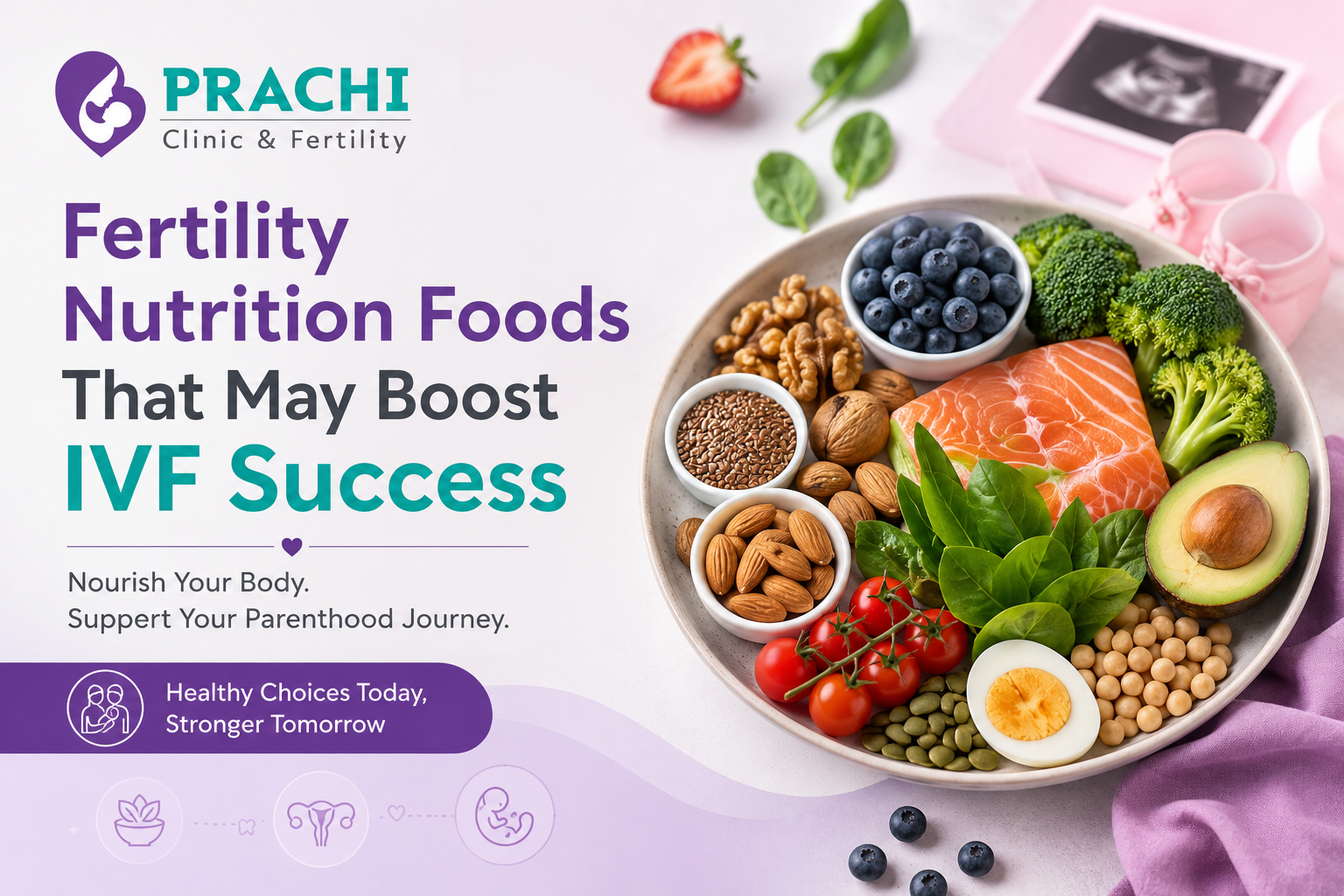
Fertility Nutrition Foods That May Boost IVF Success
Starting IVF often comes with a flood of questions and diet is one of the first things many couples want to get right. It’s completely natural to look for something within your control during a treatment journey that can otherwise feel unpredictable.
Nutrition and overall health are closely linked and reproductive health is no exception. What you eat affects your energy levels, hormonal balance, weight and general wellbeing, all of which play a supporting role during fertility treatment. However, it’s important to be clear from the outset: no single food or diet can guarantee IVF success. IVF outcomes depend on many factors, including age, underlying medical conditions, ovarian reserve, sperm quality and the treatment protocol used.
What a balanced, nutrient rich diet can do is support your general health while you go through treatment, helping you feel your best, maintaining a healthy weight and giving your body the building blocks it needs. Because every person’s nutritional needs are different, individualized advice from your fertility team matters far more than any generic IVF diet.
At Prachi Clinic & IVF Centre, Bhubaneswar, our approach to fertility care goes beyond the treatment room, we encourage patients to think about their overall lifestyle, including nutrition, as part of a well rounded IVF journey. This blog walks through practical, evidence informed food choices that may support your health during IVF, without overselling what diet alone can achieve.
Can Diet Affect IVF Success?
This is one of the most common questions couples ask before starting treatment, and it deserves an honest answer.
Nutrition matters during fertility treatment primarily because it supports your general health and nutritional status, not because specific foods have been proven to raise IVF success rates. A well balanced diet helps ensure your body has adequate vitamins, minerals and energy while it responds to fertility medications and prepares for procedures like egg retrieval and embryo transfer.
Maintaining a healthy weight is also relevant, both being significantly underweight and overweight can affect hormonal balance and treatment response, which is why your fertility specialist may discuss weight management as part of your care plan.
It’s important to view nutrition as something that works alongside medical fertility treatment, not as a replacement for it. Diet is one small piece of a much larger, medically supervised process. Be cautious of claims that specific superfoods or diets can directly increase IVF success rates, these claims are not well supported by evidence, and your energy is better spent following your doctor’s protocol and eating well overall.
Best Foods to Eat During IVF Treatment
Rather than thinking of certain foods as IVF success foods, it’s more useful to think of this as building a generally nutritious, varied plate. Here’s a practical breakdown.
1. Protein Rich Foods
Good sources include:
- Eggs
- Fish
- Chicken
- Dal
- Beans
- Lentils
- Paneer
- Curd or Greek yogurt
- Nuts and seeds
Adequate protein intake supports tissue repair, hormone production, and overall energy levels, all useful during a physically demanding treatment cycle. Including a protein source at most meals is a simple way to keep your diet balanced.
2. Leafy Green Vegetables
Examples:
- Spinach
- Methi (fenugreek leaves)
- Amaranth (chaulai)
- Broccoli
- Other seasonal greens
Leafy greens contribute folate, iron, and other micronutrients that support a nutrient rich overall diet. Adding a serving of greens to lunch or dinner is an easy habit to build.
3. Colourful Fruits and Vegetables
Examples:
- Berries
- Oranges
- Guava
- Papaya (ripe)
- Pomegranate
- Tomatoes
- Carrots
- Bell peppers
The focus here should be on variety, not on any single fruit being a fertility booster. Different colours generally indicate different antioxidants and micronutrients, so aiming for a range across the week is more useful than fixating on one item.
4. Whole Grains
Examples:
- Oats
- Brown rice
- Millets (ragi, jowar, bajra)
- Whole wheat roti
- Quinoa
Whole grains provide fibre and sustained energy and can help with digestion and blood sugar stability compared to heavily refined grains, both useful as part of a balanced eating pattern during treatment.
5. Healthy Fats
Examples:
- Walnuts
- Almonds
- Flaxseeds
- Chia seeds
- Avocado
- Olive oil
Choosing unsaturated fats over heavily processed or fried fat sources is a reasonable general dietary principle, and applies just as well during fertility treatment.
6. Omega 3 Rich Foods
Examples:
- Fatty fish such as salmon and sardines
- Walnuts
- Chia seeds
- Flaxseeds
A note on fish: if you choose to include fish, opt for low mercury varieties and be mindful of portion sizes, particularly once you are pregnancy planning or pregnant, since high mercury fish are generally advised against during pregnancy. Always follow your doctor’s specific guidance on fish intake during treatment.
7. Dairy and Calcium-Rich Foods
Examples:
- Milk
- Curd
- Paneer
- Other suitable calcium-rich foods (based on individual tolerance)
Calcium needs and dairy tolerance vary from person to person, some individuals may need to rely on non-dairy calcium sources due to lactose intolerance or other preferences. This is a good topic to discuss with a dietitian if you’re unsure what suits you.
Foods That May Support Egg Health
Many patients specifically ask what they can eat to improve egg quality. The honest answer is that a generally nutrient-dense eating pattern, rather than any single food, is what’s associated with supporting reproductive tissue health. This includes:
- Adequate protein and healthy fats
- A good variety of fruits and vegetables
- Whole grains
- Sufficient intake of micronutrients like folate, vitamin D, iron, and B12
It’s important to be clear: egg quality is influenced by many factors, most significantly a woman age, along with underlying health conditions such as PCOS, endometriosis, or diminished ovarian reserve. No food or diet can reverse age-related changes in egg quality. Nutrition can support the body’s general health during treatment, but it isn’t a substitute for medical evaluation and treatment planning.
Foods That May Support Sperm Health
IVF is a shared journey and male partner health matters just as much. Diet and lifestyle choices for sperm health include:
- Fish and other omega 3 sources
- Nuts and seeds
- A good variety of fruits and vegetables
- Whole grains
- Adequate protein intake
Alongside diet, several lifestyle factors are known to affect sperm parameters and are worth paying attention to:
- Smoking: associated with reduced sperm quality
- Excessive alcohol: can negatively affect sperm production
- Obesity: linked to hormonal changes that may affect fertility
- Poor sleep: associated with disrupted hormone regulation
- Heat exposure: prolonged exposure (hot tubs, laptops on the lap, tight clothing) may affect sperm production
As with egg health, diet should be seen as a supportive habit rather than a treatment for male infertility. If sperm parameters are a concern, a proper semen analysis and consultation with a fertility specialist is the right next step.
What to Eat Before IVF Treatment
Many patients find it helpful to have a practical checklist for the weeks leading up to their cycle. A general 2-4 week pre IVF nutrition routine could include:
- Eating balanced meals at regular times
- Including an adequate protein source at each meal
- Filling half your plate with vegetables
- Adding fruit daily
- Choosing whole grains over refined ones
- Including healthy fats in moderation
- Staying well hydrated through the day
- Taking only the supplements recommended by your doctor
A simple sample plate to aim for: ½ vegetables + ¼ protein + ¼ whole grains + a small portion of healthy fat
This isn’t a strict rulebook, it’s a general template you can adapt to your taste and routine.
What to Eat After Embryo Transfer
After embryo transfer, the general advice is to continue eating well, rather than switching to a completely different diet. Focus on:
- A balanced diet with adequate protein and fibre
- Plenty of fruits and vegetables
- Whole grains
- Good hydration
- Following pregnancy safe food practices, since you may be newly pregnant
Foods to Avoid After Embryo Transfer
- Alcohol
- Unpasteurized dairy products
- Raw or undercooked meat, fish, and eggs
- High-mercury fish
- Any foods your treating doctor has specifically advised against
Important: No single food or meal choice determines whether implantation succeeds. Embryo implantation is a complex biological process, and while pregnancy safe eating habits matter for your general health, they don’t directly cause or prevent implantation.
Foods to Limit During IVF
Rather than an extreme restrictive diet, the goal during IVF should be overall dietary quality. Foods worth limiting include:
- Highly processed foods
- Excess added sugar
- Excessive fried foods
- Trans fats (found in many packaged and fried snacks)
- Excessive caffeine
- Alcohol
You don’t need to eliminate these completely or aim for perfection, the focus is on moderation and consistency rather than an unnecessarily strict IVF diet.
Is There a Special IVF Diet?
There isn’t one universal IVF diet that applies to everyone and it’s worth being cautious of anyone claiming otherwise.
Nutritional needs during IVF differ significantly based on individual factors such as:
- Age
- BMI
- Medical history
- PCOS
- Diabetes or insulin resistance
- Thyroid disorders
- Other underlying health conditions
Because of this variation, the most useful step is to have a fertility specialist or qualified dietitian personalize dietary recommendations for your specific situation, rather than following a generic plan found online.
IVF Supplements:
Supplements are often discussed as part of fertility care, and some may be recommended based on individual needs, including:
- Folic acid: commonly recommended in the lead-up to and during pregnancy
- Vitamin D: particularly relevant if levels are found to be low
- Iron: depending on individual blood levels
- Vitamin B12: especially relevant for vegetarians and vegans
- Omega 3: sometimes considered as part of a balanced nutrient intake
The key message: don’t start taking a supplement simply because it’s marketed as a fertility booster. Supplement use should be based on your individual nutritional needs, blood test results and your doctor’s advice, not general marketing claims. Some supplements can interact with medications or aren’t appropriate in every situation, so always check with your fertility specialist before adding anything to your routine.
Simple Indian Meal Plan for IVF Nutrition
Here’s a general example of what a day of balanced eating might look like. This is meant as a starting point for ideas, not a prescription.
Breakfast
- Vegetable oats or upma + eggs, OR
- Idli + sambar + curd
Mid-Morning
- Seasonal fruit + a small handful of nuts
Lunch
- Roti / brown rice / millet
- Dal
- Vegetable sabzi
- Curd
- Salad
Evening
- Fruit, roasted chana, or a small portion of nuts
Dinner
- Vegetable + dal, paneer, fish, or chicken
- Roti or another whole grain
Disclaimer: This is a general example meal plan for illustrative purposes only, not a personalized medical or dietary prescription. Please consult your fertility specialist or a registered dietitian for a plan suited to your specific health needs.
IVF Nutrition Tips for Vegetarians
A vegetarian diet can absolutely provide the nutrients needed during IVF treatment, with a bit of planning. Useful protein and nutrient sources include:
- Dal
- Rajma
- Chana
- Soy products
- Paneer
- Curd
- Nuts
- Seeds
- Whole grains
Vegetarians may want to pay particular attention to vitamin B12 and iron levels, since these are less abundant in plant based diets, your doctor can check these through routine blood work and recommend supplementation if needed.
Common IVF Diet Myths
Myth 1: Pineapple guarantees implantation Fact: No single food has been proven to guarantee implantation. This is a popular belief online, but it isn’t supported by medical evidence.
Myth 2: Pomegranate juice increases IVF success Fact: Pomegranate can be part of a healthy, varied diet, but it shouldn’t be presented as a treatment or guarantee for IVF success.
Myth 3: You must eat a completely different diet after embryo transfer Fact: In general, continuing a balanced, pregnancy safe diet and following your doctor’s specific advice, is the recommended approach, rather than switching to an entirely new eating pattern.
Myth 4: Expensive fertility supplements are necessary Fact: Supplements should be based on your individual medical and nutritional requirements, as identified by your doctor, not on price or marketing claims.
Lifestyle Habits That Matter Alongside Nutrition
Diet is just one part of the picture. Other habits that can support your overall health during IVF include:
- Regular physical activity, as appropriate and cleared by your doctor
- Maintaining a healthy weight
- Getting good quality sleep
- Managing stress through methods that work for you
- Avoiding smoking
- Limiting alcohol intake
- Carefully following prescribed medications and all IVF related instructions from your care team
When Should You See a Fertility Specialist?
While good nutrition and lifestyle habits support general wellbeing, they aren’t a substitute for medical evaluation. Consider seeing a fertility specialist if:
- You haven’t achieved pregnancy despite trying for the medically recommended period of time
- You experience irregular periods
- You have a known diagnosis of PCOS or endometriosis
- You’ve had previous fertility treatment that hasn’t been successful
- There are concerns about sperm health or a semen analysis has shown abnormalities
- Your age or medical history may be affecting your fertility planning
At Prachi Clinic & IVF Centre, Bhubaneswar, our team offers personalized evaluation and evidence based fertility treatment, from initial consultation and diagnosis through to IVF, IUI, ICSI, and related procedures tailored to your individual health profile.
Frequently Asked Questions About IVF Nutrition
What are the best foods to eat during IVF?
A balanced diet with adequate protein, plenty of vegetables and fruits, whole grains, and healthy fats is generally recommended to support your overall health during treatment.
What should I eat before IVF treatment?
Focus on balanced meals, adequate protein, vegetables, fruits, whole grains, healthy fats and good hydration in the weeks leading up to your cycle, along with any supplements your doctor recommends.
What foods should I avoid during IVF?
It’s generally advisable to limit highly processed foods, excess sugar, fried foods, trans fats, excessive caffeine and alcohol.
Can food improve egg quality?
A nutrient dense diet supports general reproductive health, but egg quality is primarily influenced by age and underlying medical conditions, food alone cannot reverse age related changes.
What foods are good for sperm health?
Fish, nuts and seeds, fruits and vegetables, whole grains and adequate protein can support sperm health, alongside lifestyle factors like avoiding smoking and limiting alcohol.
Can I drink coffee during IVF?
Many doctors advise limiting caffeine intake during fertility treatment. Ask your fertility specialist for guidance specific to your treatment plan.
Is pomegranate good during IVF?
Pomegranate can be part of a healthy diet, but it has not been proven to directly increase IVF success and shouldn’t be relied upon as a treatment.
Is pineapple good after embryo transfer?
There is no medical evidence that pineapple improves implantation. It can be eaten as part of a normal, balanced diet if you enjoy it, following pregnancy safe practices.
Should I take supplements during IVF?
Only supplements recommended by your doctor based on your individual nutritional needs and test results should be taken, avoid starting supplements purely based on marketing claims.
What should I eat after embryo transfer?
Continue a balanced, pregnancy safe diet with adequate protein, fibre, fruits, vegetables, whole grains and good hydration, while avoiding alcohol, unpasteurized foods and undercooked meat or eggs.
Is there a special IVF diet for PCOS?
Dietary needs for PCOS can differ from general IVF nutrition advice, often with more focus on blood sugar management. A fertility specialist or dietitian can create a plan suited to your specific condition.
Planning Your IVF Journey?
Good nutrition can be an important part of overall health, but fertility treatment should always be personalized to your individual needs. There’s no single food, diet, or supplement that can replace medical evaluation and a treatment plan designed around your specific situation.
Talk to the fertility specialists at Prachi Clinic & IVF Centre, Bhubaneswar for personalized guidance on nutrition and treatment tailored to you.
☛ +91 76839 86260
☛ N-5/23, IRC Village, Indradhanu Market Road, Nayapalli, Bhubaneswar 751015, Odisha